

Hey there! As a supplier of Plated Steel Hose Menders, I often get asked this question: Can a plated steel hose mender be used for different types of hoses? Well, let's dive right in and explore this topic.
Understanding Plated Steel Hose Menders
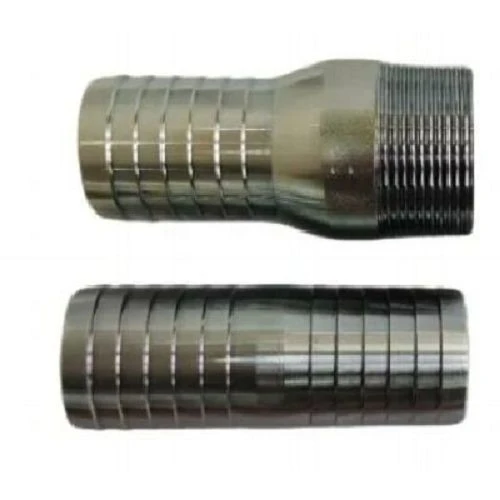
First things first, what exactly is a Plated Steel Hose Mender? It's a handy little device made of steel that's been plated, usually with materials like zinc, to prevent rust and corrosion. This plating gives the mender a longer lifespan and makes it more durable in various environments.
Plated steel hose menders come in different sizes and designs. Some are designed for quick and easy repairs, while others are more heavy - duty and suitable for long - term use. They're typically used to join two ends of a hose together or to fix a leak in a hose.
Compatibility with Different Hose Types
Rubber Hoses
Rubber hoses are one of the most common types of hoses out there. They're used in a wide range of applications, from garden hoses to industrial hoses. The good news is, plated steel hose menders work great with rubber hoses. The steel's strength can hold the rubber hose firmly in place, and the plating protects the mender from the moisture that rubber hoses often come in contact with.
When using a plated steel hose mender on a rubber hose, make sure the size of the mender matches the inner and outer diameter of the hose. A proper fit ensures a tight seal and prevents leaks. You can usually find menders that are specifically sized for common garden hose diameters, like 1/2 inch or 3/4 inch.
PVC Hoses
PVC (Polyvinyl Chloride) hoses are another popular option, especially in plumbing and irrigation systems. These hoses are lightweight, flexible, and resistant to chemicals. Plated steel hose menders can also be used with PVC hoses, but there are a few things to keep in mind.
PVC hoses are a bit more rigid than rubber hoses, so you might need to use a little more force when attaching the mender. It's also important to check the compatibility of the plating on the mender with the PVC material. Some chemicals in the plating could potentially react with the PVC over time, although this is usually not a problem with high - quality plated steel menders.

Nylon Hoses
Nylon hoses are known for their high strength and abrasion resistance. They're commonly used in automotive and industrial applications. Plated steel hose menders can be used with nylon hoses, but the connection needs to be carefully made. Nylon hoses have a smooth surface, so it's important to ensure that the mender's grip is strong enough to prevent the hose from slipping out.
You might need to use additional clamps or fasteners to secure the nylon hose to the mender properly. This will ensure a reliable and leak - free connection.
Advantages of Using Plated Steel Hose Menders
One of the biggest advantages of using a Plated Steel Hose Mender is its durability. The plating protects the steel from rust and corrosion, which means the mender can last for a long time, even in harsh environments. This is especially important if you're using the hose in an outdoor or industrial setting where it's exposed to moisture, chemicals, or extreme temperatures.
Another advantage is the strength of the steel. Plated steel menders can withstand high pressure, making them suitable for use with hoses that carry water, air, or other fluids at high velocities. This makes them a great choice for both residential and commercial applications.
Limitations and Considerations
While plated steel hose menders are versatile, there are some limitations. For example, if you're using a hose that's made of a very soft or delicate material, the steel mender might damage the hose during installation. In such cases, you might want to consider using a Hose Mender Saving Connectors made of a more flexible or softer material, like plastic.
Also, in some high - temperature or high - chemical - exposure environments, the plating on the steel mender might degrade over time. If you're dealing with such conditions, you might need to choose a different type of mender, like a Brass Hose Mender, which is more resistant to certain chemicals and temperatures.
Making the Right Choice
When deciding whether to use a plated steel hose mender for your hose, you need to consider several factors. First, think about the type of hose you have. As we've discussed, different hose materials have different properties, and you need to make sure the mender is compatible.
Next, consider the environment in which the hose will be used. If it's an outdoor setting with a lot of moisture, the plating on the steel mender will be a great advantage. But if it's a high - temperature or high - chemical environment, you might need to look for an alternative.
Finally, think about the pressure and flow requirements of your application. If you need a mender that can withstand high pressure, a plated steel mender is likely a good choice.
Conclusion
In conclusion, a plated steel hose mender can be used for different types of hoses, including rubber, PVC, and nylon hoses. It offers many advantages, such as durability and strength. However, it's important to consider the specific properties of the hose and the environment in which it will be used.
If you're in the market for a reliable hose mender, our Plated Steel Hose Mender is a great option. We offer a wide range of sizes and designs to meet your needs. If you have any questions or want to discuss your specific requirements, feel free to reach out. We're here to help you find the perfect solution for your hose repair or connection needs.
References
- General knowledge about hose materials and menders from industry experience.
- Product specifications and research on plated steel, rubber, PVC, and nylon hoses.