

Can aluminum camlock couplings be used for steam transfer? That's a question I get asked a lot as a supplier of Aluminum Camlcok Coupling. And it's a valid one, considering the unique properties of steam and the materials used in camlock couplings.
First off, let's talk a bit about what aluminum camlock couplings are. They're a type of quick - connect coupling that's widely used in various industries for fluid transfer. They're known for their ease of use, with a simple cam and groove mechanism that allows for fast and secure connections. Aluminum is a popular choice for these couplings because it's lightweight, corrosion - resistant, and relatively inexpensive compared to some other materials.
Now, steam is a whole different ballgame. Steam is basically water in its gaseous state, and it comes with some specific challenges. For starters, steam can be at very high temperatures and pressures. The temperature of steam can range from around 100°C (212°F) at atmospheric pressure up to several hundred degrees Celsius in industrial settings. High - pressure steam systems can also exert significant force on the components they're flowing through.
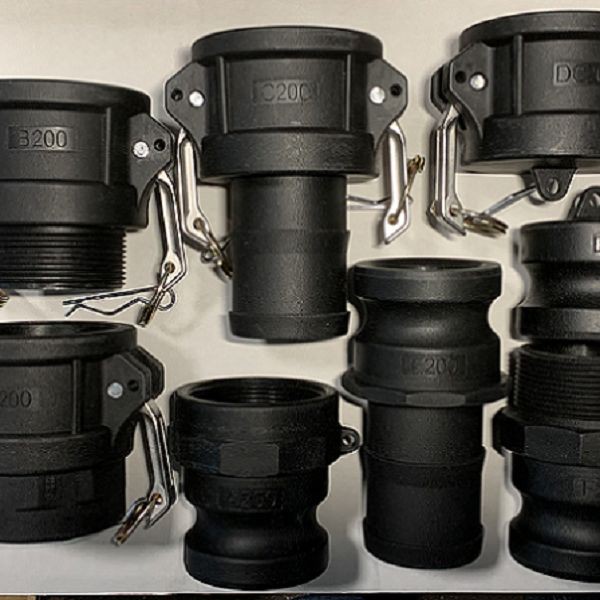

One of the main concerns when using aluminum camlock couplings for steam transfer is the temperature tolerance of aluminum. Aluminum has a relatively low melting point compared to some metals. It starts to lose its strength at temperatures around 150 - 200°C (302 - 392°F). In high - temperature steam applications, if the steam is much hotter than this, the aluminum coupling could start to deform. This deformation can lead to leaks, which are not only a waste of steam but can also be a safety hazard.
Another issue is the potential for corrosion. Even though aluminum is generally corrosion - resistant, steam can contain impurities such as oxygen, which can cause oxidation of the aluminum surface over time. This oxidation can weaken the coupling and also contaminate the steam, which might be a problem in some applications where the steam quality is crucial, like in food and beverage or pharmaceutical industries.
However, there are some situations where aluminum camlock couplings might work for steam transfer. If the steam is at relatively low temperatures and pressures, and the system is well - maintained and monitored, aluminum couplings could be a viable option. For example, in a small - scale, low - pressure steam heating system where the steam temperature doesn't exceed the safe operating range of aluminum, the lightweight and cost - effective nature of aluminum couplings can be an advantage.
In cases where the steam conditions are more extreme, other materials might be a better choice. SS316 Camlock Coupling is a great alternative. Stainless steel 316 has a much higher melting point and better resistance to high - temperature and high - pressure steam. It's also more resistant to corrosion, making it suitable for long - term use in harsh steam environments.
PP Camlock Coupling can also be considered for certain steam applications. Polypropylene (PP) is a plastic material that has some advantages. It's lightweight, non - corrosive, and can handle a certain range of temperatures. However, like aluminum, it also has its limitations in terms of temperature tolerance. PP couplings are generally better suited for lower - temperature steam applications.
So, as a supplier, I always recommend carefully assessing the steam conditions before deciding on the type of camlock coupling to use. If you're dealing with high - temperature, high - pressure steam, I'd lean towards the SS316 camlock couplings. But if your steam system is on the milder side, aluminum or PP couplings could be considered.
When making a decision, it's also important to consider the frequency of use. If the steam transfer is a continuous, long - term operation, you'll want a more durable and heat - resistant coupling. For occasional or short - term use, the cost - effective options like aluminum or PP might be more appealing.
In addition to the material properties, proper installation and maintenance are key. Make sure the camlock couplings are installed correctly, with all the cams and grooves properly engaged. Regular inspections for signs of wear, corrosion, or deformation are also essential. If you notice any issues, replace the coupling immediately to avoid potential problems.
If you're still not sure whether aluminum camlock couplings are right for your steam transfer application, don't hesitate to reach out. I've got a team of experts who can help you analyze your specific situation and recommend the best coupling solution. Whether it's aluminum, SS316, or PP camlock couplings, we can provide high - quality products that meet your needs.
So, if you're in the market for camlock couplings for steam transfer or any other fluid transfer application, get in touch. We're here to make sure you get the right product for your system, and we're ready to assist you with any questions you might have. Let's work together to find the perfect coupling solution for your steam transfer needs.
References
- ASM Handbook Volume 2: Properties and Selection: Nonferrous Alloys and Special - Purpose Materials
- Engineering ToolBox: Material Properties Database