

Do plated steel hose menders have any issues with water hammer?
As a supplier of Plated Steel Hose Mender, I often get asked about the performance of our products under various conditions. One of the most common questions is whether plated steel hose menders can handle water hammer. In this blog, I'll delve into the concept of water hammer, how it might affect plated steel hose menders, and the measures we take to ensure our products remain reliable.
Understanding Water Hammer
Water hammer is a phenomenon that occurs when there's a sudden change in the flow velocity of water within a piping system. This can happen due to the rapid closing of a valve, the starting or stopping of a pump, or even a shift in the system's demand. When the flow is abruptly halted, the kinetic energy of the moving water is converted into pressure energy, creating a shock wave that travels through the pipes. This shock wave can cause a loud banging noise, similar to a hammer hitting the pipes, hence the name "water hammer."
The pressure surges generated by water hammer can be substantial. In some cases, it can exceed the normal operating pressure of the system by several times. This puts additional stress on all components of the piping, including hoses and menders. Over time, these repeated pressure spikes can lead to damage, leaks, or even complete failure of the system.
How Water Hammer Affects Plated Steel Hose Menders
Plated steel hose menders are designed to connect and repair hoses in various applications, from household plumbing to industrial use. The main concern with water hammer is the potential for the sudden pressure changes to cause mechanical stress on the mender.
The rapid pressure fluctuations can lead to fatigue in the steel material. Fatigue occurs when a material is subjected to repeated loading and unloading, causing microscopic cracks to form and grow over time. Eventually, these cracks can lead to the mender's failure, resulting in leaks or disconnections.
The plating on the steel also plays a significant role. The plating is typically used to protect the steel from corrosion. However, water hammer-induced pressure surges can potentially damage the plating. If the plating is compromised, the underlying steel becomes exposed to the elements, increasing the risk of rust and corrosion. This can further weaken the mender and reduce its lifespan.
Our Solutions for Water Hammer Resistance
At our company, we understand the challenges posed by water hammer. That's why we've implemented several strategies to ensure our Plated Steel Hose Mender can withstand these pressure fluctuations.
Material Selection: We choose high - quality steel that has excellent mechanical properties. The steel we use has a high yield strength and ductility, which means it can withstand higher stress levels without deforming or cracking. This helps to minimize the risk of fatigue failure caused by water hammer.
Advanced Plating Techniques: Our plating process is designed to provide a durable and protective coating. We use a multi - layer plating system that not only resists corrosion but also adheres well to the steel surface. This helps to prevent the plating from chipping or peeling off under the stress of water hammer.
Design Optimization: Our hose menders are designed with a focus on flexibility and strength. The shape and structure of the mender are engineered to absorb and distribute the pressure shocks caused by water hammer more evenly. For example, we use curved and tapered designs that can better accommodate the pressure changes without concentrating stress in one area.
Comparing with Other Hose Menders
When considering the performance of plated steel hose menders against water hammer, it's important to compare them with other types of menders, such as Brass Hose Mender.
Brass is a popular choice for hose menders due to its corrosion resistance and ease of manufacturing. However, brass has a lower yield strength compared to steel. This means that it may be more prone to deformation under the high - pressure conditions caused by water hammer. In contrast, our plated steel hose menders offer better resistance to mechanical stress, making them a more reliable option in systems prone to water hammer.
Another advantage of our plated steel hose menders is their cost - effectiveness. Brass is generally more expensive than steel, and over time, the cost of replacing brass menders that have failed due to water hammer can add up. Our plated steel menders provide a long - lasting solution at a more affordable price.
The Importance of Proper Installation
Even with the best - designed plated steel hose menders, proper installation is crucial for their performance against water hammer. A poorly installed mender can create additional stress points in the system, increasing the risk of failure.
When installing our Hose Mender Saving Connectors, it's important to follow the manufacturer's instructions carefully. This includes ensuring a proper fit, tightening the connections to the recommended torque, and using suitable gaskets or seals. Additionally, the overall layout of the piping system should be designed to minimize the potential for water hammer. This may involve using slow - closing valves, installing pressure - relief devices, or adding flexible hoses to absorb the shock waves.
Conclusion
In summary, while water hammer can pose challenges to plated steel hose menders, our products are designed and engineered to withstand these pressure fluctuations. Through careful material selection, advanced plating techniques, and optimized design, we ensure that our menders offer reliable performance and long - lasting durability.

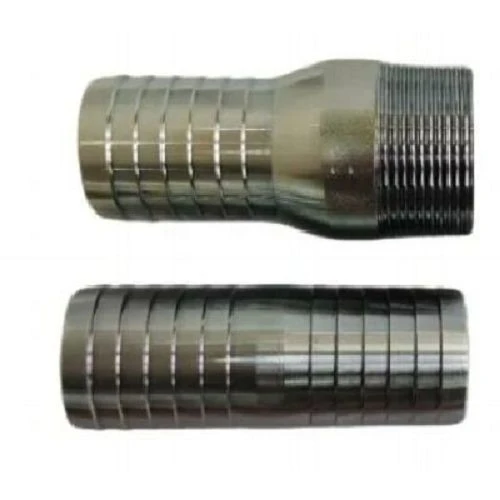
If you're in the market for high - quality hose menders that can handle water hammer, look no further than our Plated Steel Hose Mender. We're confident in the performance of our products and are always ready to provide you with the best solutions for your piping needs. If you have any questions or would like to discuss your specific requirements, please feel free to contact us. We're eager to engage in purchasing discussions and help you find the perfect hose mender for your application.
References
- Fluid Mechanics textbooks covering pressure wave propagation in pipes.
- Industry standards and guidelines for hose mender design and testing.
- Technical reports on the performance of different materials in water hammer - prone systems.