

As a supplier of PP Safety Clamps, I often get asked about the surface characteristics of our products. One of the most common questions is whether PP Safety Clamps have a smooth or rough surface. In this blog post, I'll delve into this topic, exploring the nature of PP Safety Clamps' surfaces, the reasons behind their texture, and how it impacts their performance.
Surface Texture of PP Safety Clamps
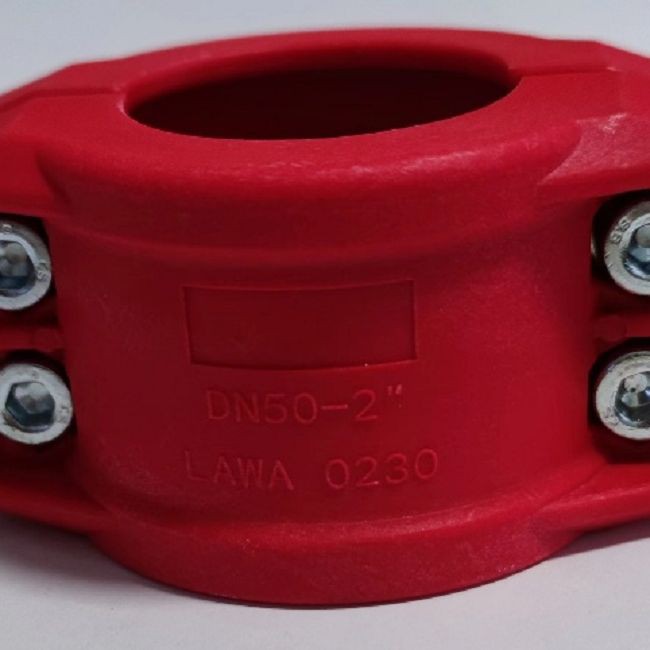
PP, or polypropylene, is a thermoplastic polymer known for its versatility, durability, and chemical resistance. When it comes to the surface of PP Safety Clamps, they typically have a relatively smooth finish. This smoothness is a result of the manufacturing process. Injection molding is the most common method used to produce PP Safety Clamps. During injection molding, molten polypropylene is injected into a mold cavity under high pressure. The mold is designed with a smooth interior surface, which imparts its texture onto the final product.
The smooth surface of PP Safety Clamps offers several advantages. Firstly, it enhances the aesthetic appeal of the clamps. A smooth surface gives the clamps a clean, professional look, which is important for applications where appearance matters. For example, in industries such as food processing or pharmaceuticals, where hygiene and visual appeal are crucial, the smooth surface of PP Safety Clamps is highly desirable.
Secondly, a smooth surface makes the clamps easier to clean. In applications where the clamps come into contact with liquids, chemicals, or other substances, a smooth surface prevents the accumulation of dirt, debris, and residues. This is particularly important in industries where strict hygiene standards must be maintained. With a smooth surface, the clamps can be easily wiped down or washed, ensuring that they remain clean and free from contaminants.
However, it's important to note that while PP Safety Clamps generally have a smooth surface, there may be some minor variations in texture. These variations can occur due to factors such as the quality of the raw materials, the precision of the manufacturing equipment, and the specific design of the clamp. In some cases, the surface may have a slightly matte finish, which can provide a bit of grip without sacrificing the overall smoothness.
Factors Influencing Surface Texture
Several factors can influence the surface texture of PP Safety Clamps. As mentioned earlier, the manufacturing process plays a significant role. Injection molding is a highly precise process, but any imperfections in the mold or variations in the injection parameters can affect the surface finish of the clamps. For example, if the mold has scratches or rough spots, these will be transferred to the surface of the clamps. Similarly, if the injection pressure is too low or the temperature is not properly controlled, it can result in a less smooth surface.
The quality of the raw materials also matters. High-quality polypropylene resins are more likely to produce clamps with a smooth surface. These resins have a more uniform molecular structure, which allows for better flow during the injection molding process and results in a smoother finish. On the other hand, lower-quality resins may contain impurities or have inconsistent properties, which can lead to a rougher surface.
The design of the clamp can also impact its surface texture. Clamps with complex shapes or features may have areas where the surface is not as smooth as the rest of the clamp. This is because the molten polypropylene may not flow evenly into these areas during the injection molding process, resulting in a slightly rougher texture.
Impact on Performance
The surface texture of PP Safety Clamps can have a significant impact on their performance. A smooth surface generally improves the clamping force and stability of the clamps. When the surface is smooth, there is less friction between the clamp and the object being clamped, which allows for a more secure and even grip. This is important in applications where the clamps need to hold objects firmly in place, such as in plumbing, automotive, or industrial machinery.
In addition, a smooth surface reduces the risk of damage to the objects being clamped. Rough surfaces can cause scratches, abrasions, or other types of damage to delicate or sensitive materials. By using PP Safety Clamps with a smooth surface, you can ensure that your valuable equipment and components remain undamaged.
However, in some applications, a slightly rough surface may be beneficial. For example, in applications where the clamps need to provide a bit of extra grip, such as in outdoor or wet environments, a rough surface can help prevent the clamps from slipping. In these cases, manufacturers may intentionally add a textured finish to the surface of the clamps to improve their performance.
Comparison with Other Types of Safety Clamps
To better understand the surface characteristics of PP Safety Clamps, it's helpful to compare them with other types of safety clamps, such as Aluminum Safety Clamps and SS316 Safety Clamps.
Aluminum Safety Clamps typically have a smooth surface, similar to PP Safety Clamps. However, aluminum is a softer metal than polypropylene, so it may be more prone to scratches and dents. On the other hand, aluminum has excellent corrosion resistance, which makes it a good choice for applications in harsh environments.
SS316 Safety Clamps, made from stainless steel, also have a smooth surface. Stainless steel is a very durable and corrosion-resistant material, which makes these clamps suitable for a wide range of applications. However, stainless steel is heavier and more expensive than polypropylene, so PP Safety Clamps may be a more cost-effective option for some applications.
Conclusion
In conclusion, PP Safety Clamps generally have a smooth surface, which offers several advantages in terms of aesthetics, cleanliness, and performance. However, there may be some minor variations in texture due to factors such as the manufacturing process, raw materials, and design. The surface texture of PP Safety Clamps can have a significant impact on their performance, and it's important to choose the right type of clamp based on your specific application requirements.

If you're in the market for PP Safety Clamps or have any questions about our products, please don't hesitate to contact us. We're a leading supplier of PP Safety Clamps and can provide you with high-quality products and excellent customer service. Whether you need clamps for a small DIY project or a large industrial application, we have the expertise and resources to meet your needs.
References
- "Polypropylene: Properties, Processing, and Applications" by John V. Koleske
- "Injection Molding Handbook" by O. Olufemi Oyewole
- "Safety Clamps: Design, Selection, and Application" by Industrial Safety Association