

Handling camlock coupling failures can be a real headache, but as a camlock coupling supplier, I've seen it all and got some tips to share. Camlock couplings are used in a variety of industries, from agriculture to chemical processing, to quickly connect and disconnect hoses and pipes. However, like any mechanical device, they can fail, and it's important to know how to deal with these issues.
Common Reasons for Camlock Coupling Failures
First off, let's talk about why camlock couplings fail. One of the most common reasons is improper installation. If the coupling isn't properly aligned or the cams aren't fully engaged, it can lead to leaks or even a complete disconnection. For example, if you're in a hurry to connect a hose and don't take the time to make sure the male and female ends are lined up correctly, you're setting yourself up for trouble.
Another reason for failure is wear and tear. Over time, the components of the camlock coupling can wear down, especially if they're exposed to harsh chemicals or high pressures. The gaskets can dry out and crack, and the cams can become worn or damaged. If you're using your camlock couplings in a demanding environment, it's important to regularly inspect them for signs of wear.
Corrosion is also a big problem, especially if you're using metal camlock couplings. Stainless steel is a popular choice because it's resistant to corrosion, but even SS316 Camlock Coupling can be affected if they're exposed to certain chemicals or if they're not properly maintained. SS316 Camlock Coupling are great for many applications, but you still need to keep an eye on them.
Identifying Camlock Coupling Failures
So, how do you know if your camlock coupling is failing? The most obvious sign is a leak. If you notice fluid dripping from the coupling, it's a clear indication that something is wrong. You might also hear a hissing sound, which could mean there's a pressure leak.

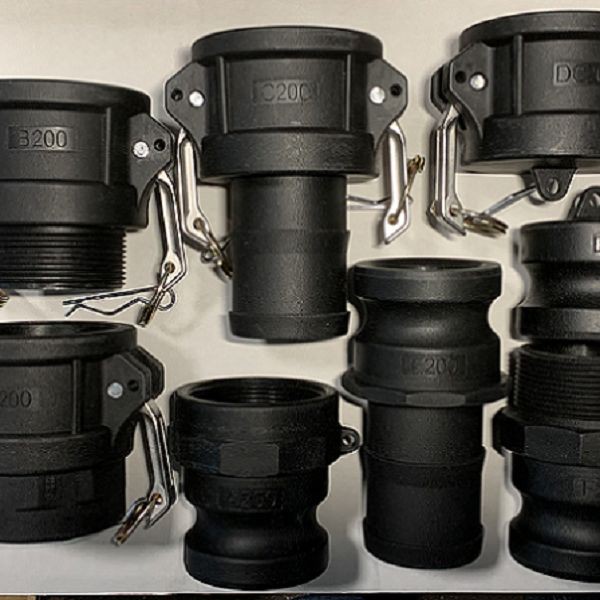
Another sign is if the coupling is difficult to connect or disconnect. If the cams don't engage smoothly or if you have to use a lot of force to open or close the coupling, it could be a sign of wear or damage.
Visual inspection is also important. Look for signs of corrosion, cracks, or other damage on the coupling. If the gaskets are damaged or missing, that's a sure sign that the coupling needs to be replaced.
Steps to Handle Camlock Coupling Failures
Once you've identified a camlock coupling failure, it's important to take action quickly. The first step is to shut off the flow of fluid to the coupling. This will prevent any further leaks or damage.
Next, carefully inspect the coupling to determine the cause of the failure. If it's a simple issue like a loose cam or a damaged gasket, you might be able to fix it on the spot. For example, if the gasket is damaged, you can replace it with a new one. Make sure you use the correct size and type of gasket for your coupling.
If the damage is more severe, such as a cracked body or a worn cam, you'll need to replace the entire coupling. It's important to use a high-quality replacement coupling to ensure reliable performance. As a camlock coupling supplier, I can recommend different types of couplings based on your specific needs. For example, if you're working with chemicals, you might want to consider PP Camlock Coupling, which are resistant to many chemicals. If you need a lightweight option, Aluminum Camlcok Coupling might be a good choice.
After replacing the coupling, make sure to test it to ensure it's working properly. Slowly turn on the flow of fluid and check for any leaks. If everything looks good, you're ready to get back to work.
Preventing Camlock Coupling Failures
Of course, the best way to handle camlock coupling failures is to prevent them from happening in the first place. Here are some tips to help you keep your camlock couplings in good condition:
- Proper installation: Make sure you follow the manufacturer's instructions when installing your camlock couplings. Take the time to align the male and female ends correctly and fully engage the cams.
- Regular inspection: Inspect your camlock couplings regularly for signs of wear, corrosion, or damage. Replace any worn or damaged components as soon as possible.
- Cleaning and maintenance: Keep your camlock couplings clean and free of debris. If they're exposed to chemicals, make sure to rinse them thoroughly after use.
- Proper storage: When not in use, store your camlock couplings in a dry, cool place. Avoid storing them in direct sunlight or in areas with high humidity.
Conclusion
Handling camlock coupling failures can be a challenge, but with the right knowledge and tools, you can minimize the impact of these issues. As a camlock coupling supplier, I'm here to help you find the right solutions for your needs. Whether you need a new coupling or just some advice on maintenance, don't hesitate to reach out. If you're interested in purchasing camlock couplings or have any questions, feel free to contact us for a consultation. We're committed to providing high-quality products and excellent customer service.
References
- Manufacturer's manuals for camlock couplings
- Industry standards and best practices for camlock coupling use and maintenance