

Proper storage of PP (Polypropylene) Safety Clamps is crucial for maintaining their quality, functionality, and longevity. As a supplier of PP Safety Clamps, I understand the significance of providing guidance on effective storage practices to ensure that these safety-critical components remain in optimal condition until they are deployed for their intended use.
Understanding PP Safety Clamps
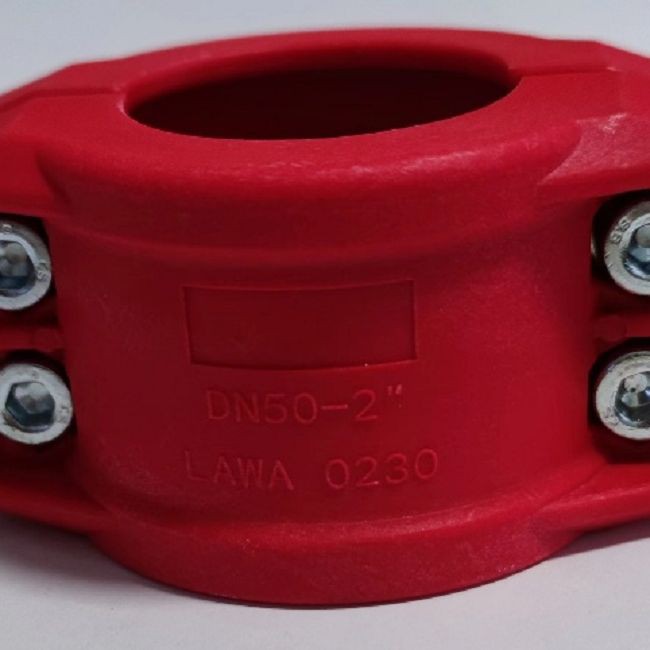
PP Safety Clamps are widely utilized in various industries for securing hoses, pipes, and other components to prevent leakage, disconnection, and potential hazards. Their lightweight, corrosion-resistant nature, and cost-effectiveness make them a popular choice for a range of applications, from chemical processing plants to food and beverage production facilities.

Factors Affecting Storage
Temperature
PP is a thermoplastic material, which means its properties can be significantly influenced by temperature. High temperatures can cause PP to soften, deform, or even lose its structural integrity. Conversely, extremely low temperatures can make the material brittle and more prone to cracking. Therefore, it is essential to store PP Safety Clamps in an environment with a stable temperature range. Ideally, the storage temperature should be between 10°C and 30°C (50°F and 86°F).
Humidity
Excessive humidity can lead to the growth of mold and mildew on the surface of PP Safety Clamps, which not only affects their appearance but can also compromise their performance. Additionally, moisture can cause the metal components (if any) of the clamps to rust. To prevent these issues, the storage area should have a relative humidity level between 30% and 60%.
Sunlight and UV Exposure
Prolonged exposure to sunlight and ultraviolet (UV) radiation can cause PP to degrade, resulting in a loss of strength and flexibility. This process, known as photo-oxidation, can make the clamps more susceptible to cracking and failure. Therefore, PP Safety Clamps should be stored in a dark or shaded area, away from direct sunlight.
Chemical Exposure
PP can be affected by certain chemicals, including solvents, acids, and alkalis. Exposure to these substances can cause the material to swell, dissolve, or become brittle. It is important to store PP Safety Clamps away from any sources of chemical contamination, such as chemical storage areas or processing equipment.
Storage Methods
Clean and Dry Before Storage
Before storing PP Safety Clamps, it is essential to clean them thoroughly to remove any dirt, debris, or contaminants. This can be done using a mild detergent and water, followed by a rinse with clean water and a thorough drying. Ensuring that the clamps are completely dry before storage helps prevent the growth of mold and mildew.
Use Appropriate Packaging
Proper packaging is crucial for protecting PP Safety Clamps during storage. They can be stored in sealed plastic bags or containers to prevent dust, moisture, and other contaminants from reaching the clamps. Labeling the packaging with the type of clamp, quantity, and date of storage can also help with inventory management.
Organized Storage
Storing PP Safety Clamps in an organized manner makes it easier to locate and access them when needed. They can be stored on shelves, in cabinets, or in storage bins, depending on the quantity and available space. It is important to ensure that the storage area is clean, dry, and well-ventilated.
Avoid Overcrowding
Overcrowding the storage area can cause the clamps to become damaged or deformed. It is important to provide enough space between the clamps to prevent them from rubbing against each other or being subjected to excessive pressure.
Inspection and Maintenance
Regular Inspections
Regular inspections of stored PP Safety Clamps are essential to detect any signs of damage, degradation, or contamination. This can be done visually, looking for cracks, discoloration, or other signs of wear and tear. Any damaged clamps should be removed from storage and replaced.
Maintenance
In addition to regular inspections, proper maintenance of PP Safety Clamps can help extend their lifespan. This can include lubricating the moving parts (if any) of the clamps with a compatible lubricant, as recommended by the manufacturer.
Comparison with Other Types of Safety Clamps
While PP Safety Clamps offer several advantages, it is important to note that there are other types of safety clamps available, each with its own unique properties and applications. For example, SS316 Safety Clamp is made of stainless steel 316, which provides excellent corrosion resistance and high strength. This makes it suitable for use in harsh environments, such as marine and chemical processing applications. On the other hand, Aluminum Safety Clamp is lightweight and has good corrosion resistance, making it a popular choice for applications where weight is a concern, such as aerospace and automotive industries.
Conclusion
Proper storage of PP Safety Clamps is essential for maintaining their quality and performance. By understanding the factors that can affect their storage, using appropriate storage methods, and conducting regular inspections and maintenance, you can ensure that your PP Safety Clamps remain in optimal condition until they are needed. If you are in the market for high-quality PP Safety Clamps or any other type of safety clamp, such as SS316 Safety Clamp or Aluminum Safety Clamp, please feel free to contact us for more information. We are committed to providing our customers with the best products and services to meet their needs.
References
- "Plastics Technology Handbook" by Myers, Melvin O.
- "Handbook of Thermoplastics" by O. Olabisi, L.A. Utracki, and S. Kawai.
- Manufacturer's specifications and guidelines for PP Safety Clamps.