
In the industrial landscape, safety is paramount. One crucial component that plays a significant role in ensuring safety across various sectors is the SS316 safety clamp. As a supplier of SS316 safety clamps, I've witnessed firsthand the diverse applications and industries that rely on these essential tools. In this blog post, we'll explore the industries that commonly use SS316 safety clamps, understand their unique requirements, and highlight the benefits of choosing SS316 for these applications.
Chemical and Petrochemical Industry
The chemical and petrochemical industry is one of the primary users of SS316 safety clamps. In these environments, the handling of corrosive chemicals and high-pressure fluids is a daily occurrence. SS316, also known as AISI 316, is a type of austenitic stainless steel that contains molybdenum, which significantly enhances its corrosion resistance. This makes it ideal for use in applications where exposure to harsh chemicals is common.
SS316 safety clamps are used to secure pipes, hoses, and other components in chemical processing plants, refineries, and petrochemical facilities. They help prevent leaks and ensure the integrity of the piping systems, which is crucial for maintaining safety and preventing environmental contamination. For example, in a chemical plant, SS316 safety clamps are used to connect pipes carrying acids, alkalis, and other corrosive substances. The clamps provide a tight seal, preventing the leakage of these hazardous materials.
Food and Beverage Industry
In the food and beverage industry, hygiene and safety are of utmost importance. SS316 safety clamps are widely used in this sector due to their excellent corrosion resistance and ability to meet strict hygiene standards. The smooth surface of SS316 makes it easy to clean and sanitize, preventing the growth of bacteria and other contaminants.
These clamps are used in various applications, such as connecting pipes in food processing equipment, beverage filling lines, and dairy production facilities. They help maintain the integrity of the piping systems, ensuring that the food and beverages are safe for consumption. For instance, in a dairy plant, SS316 safety clamps are used to connect pipes carrying milk and other dairy products. The clamps prevent the leakage of these products, which could lead to contamination and spoilage.
Pharmaceutical Industry
The pharmaceutical industry has strict regulations and standards to ensure the safety and quality of drugs and medical products. SS316 safety clamps are an essential component in this industry, as they help maintain the integrity of the manufacturing process and prevent contamination.
In pharmaceutical manufacturing facilities, SS316 safety clamps are used to connect pipes in drug production equipment, such as reactors, mixers, and filling machines. They provide a secure connection, preventing the leakage of drugs and other substances. The corrosion resistance of SS316 also ensures that the clamps do not contaminate the drugs during the manufacturing process. For example, in a pharmaceutical plant, SS316 safety clamps are used to connect pipes carrying active pharmaceutical ingredients (APIs). The clamps help prevent the leakage of these valuable and potentially hazardous substances.
Marine and Offshore Industry
The marine and offshore industry operates in harsh environments, where corrosion and high-pressure conditions are common. SS316 safety clamps are well-suited for these applications due to their excellent corrosion resistance and high strength.
In marine vessels and offshore platforms, SS316 safety clamps are used to secure pipes, hoses, and other components in various systems, such as seawater cooling systems, fuel systems, and hydraulic systems. They help prevent leaks and ensure the reliability of these systems, which is crucial for the safety and operation of the vessels and platforms. For example, in a ship, SS316 safety clamps are used to connect pipes carrying seawater for cooling the engine. The clamps prevent the leakage of seawater, which could cause corrosion and damage to the engine.
Water Treatment Industry
The water treatment industry is responsible for providing clean and safe water to communities. SS316 safety clamps are used in this industry to connect pipes in water treatment plants, distribution systems, and wastewater treatment facilities.
In water treatment plants, SS316 safety clamps are used to connect pipes carrying chemicals, such as chlorine and fluoride, which are used to disinfect and treat the water. The clamps prevent the leakage of these chemicals, ensuring that the water is safe for consumption. In wastewater treatment facilities, SS316 safety clamps are used to connect pipes carrying sewage and other waste materials. The clamps help prevent the leakage of these materials, which could cause environmental pollution.
Benefits of SS316 Safety Clamps
- Corrosion Resistance: As mentioned earlier, SS316 has excellent corrosion resistance, making it suitable for use in harsh environments where exposure to chemicals and moisture is common.
- High Strength: SS316 has high strength, which allows it to withstand high pressures and stresses. This makes it ideal for use in applications where the clamps need to provide a secure connection.
- Hygiene: The smooth surface of SS316 makes it easy to clean and sanitize, preventing the growth of bacteria and other contaminants. This is crucial for applications in the food, beverage, and pharmaceutical industries.
- Longevity: SS316 safety clamps have a long lifespan, which reduces the need for frequent replacement. This helps to save costs in the long run.
Other Types of Safety Clamps
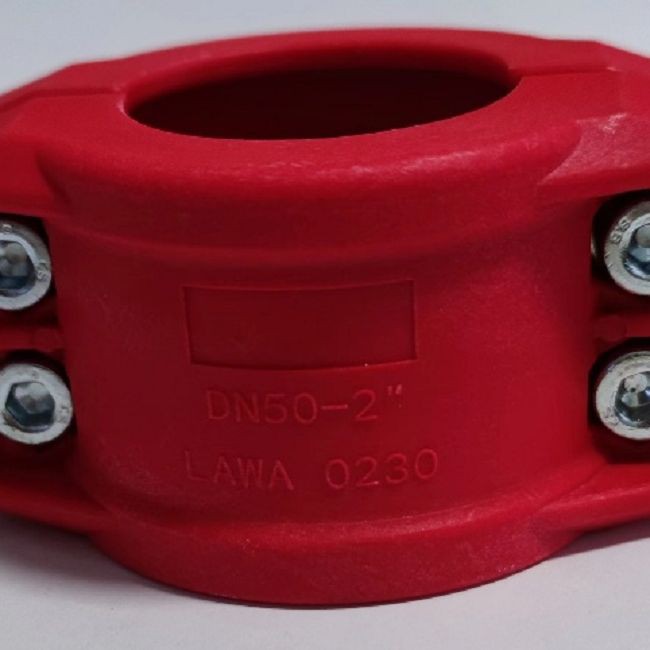
In addition to SS316 safety clamps, there are other types of safety clamps available in the market, such as PP Safety Clamp and Aluminum Safety Clamp. Each type of clamp has its own unique properties and applications.
- PP Safety Clamp: Polypropylene (PP) safety clamps are lightweight and have good chemical resistance. They are commonly used in applications where corrosion resistance is required, but the strength requirements are not as high. For example, in some water treatment applications, PP safety clamps may be used to connect pipes carrying non-corrosive fluids.
- Aluminum Safety Clamp: Aluminum safety clamps are lightweight and have good thermal conductivity. They are commonly used in applications where weight is a concern, such as in the aerospace industry. However, aluminum is not as corrosion-resistant as SS316, so it may not be suitable for use in harsh environments.
Conclusion
SS316 safety clamps are a versatile and essential component in various industries. Their excellent corrosion resistance, high strength, and hygiene properties make them suitable for use in applications where safety and reliability are crucial. Whether it's in the chemical, food and beverage, pharmaceutical, marine, or water treatment industry, SS316 safety clamps play a vital role in ensuring the integrity of the piping systems and preventing leaks.
If you're in need of high-quality SS316 safety clamps for your industry, I invite you to explore our range of products at SS316 Safety Clamp. Our team of experts is ready to assist you in finding the right solution for your specific requirements. Contact us today to start a discussion about your procurement needs and let's work together to ensure the safety and efficiency of your operations.

References
- ASM Handbook, Volume 13A: Corrosion: Fundamentals, Testing, and Protection. ASM International.
- ASTM A240/A240M - 22: Standard Specification for Chromium and Chromium-Nickel Stainless Steel Plate, Sheet, and Strip for Pressure Vessels and for General Applications. ASTM International.
- "Stainless Steel in the Food and Beverage Industry." Stainless Steel World Americas.