

What is the Pressure Rating of a Plated Steel Hose Mender?
As a supplier of Plated Steel Hose Mender, I've encountered numerous inquiries about the pressure rating of these essential components. Understanding the pressure rating is crucial for ensuring the safe and efficient operation of any hose system. In this blog post, I'll delve into the concept of pressure rating, its significance, and how it relates to plated steel hose menders.
Understanding Pressure Rating
The pressure rating of a hose mender refers to the maximum amount of pressure that the mender can withstand without failing. It is typically expressed in pounds per square inch (psi) or bar. This rating is determined through rigorous testing and is based on various factors, including the material of the mender, its design, and the manufacturing process.
For plated steel hose menders, the pressure rating is influenced by the quality of the steel used, the thickness of the plating, and the overall construction of the mender. A higher pressure rating indicates that the mender can handle greater stress and is suitable for applications with higher pressure requirements.
Importance of Pressure Rating
The pressure rating is a critical factor to consider when selecting a hose mender. Using a mender with a pressure rating that is too low for the application can lead to leaks, bursts, and other safety hazards. On the other hand, using a mender with a much higher pressure rating than necessary may result in unnecessary costs.
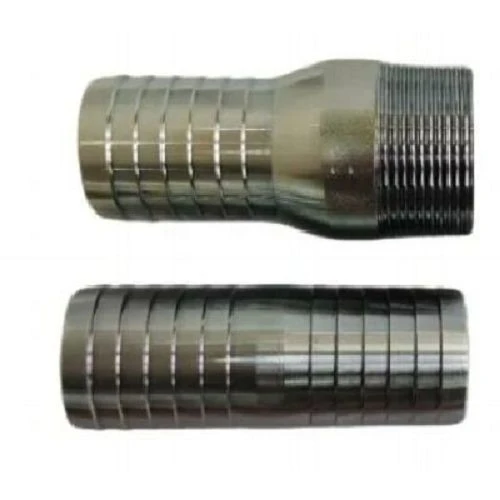

For example, in industrial applications where high-pressure fluids are transported, such as in hydraulic systems, it is essential to use a plated steel hose mender with a pressure rating that can withstand the maximum pressure of the system. Failure to do so can lead to costly downtime, equipment damage, and even personal injury.
Factors Affecting the Pressure Rating of Plated Steel Hose Menders
- Material Quality: The quality of the steel used in the mender plays a significant role in determining its pressure rating. High-quality steel with good mechanical properties, such as high tensile strength and ductility, can withstand higher pressures.
- Plating Thickness: The thickness of the plating on the steel mender can also affect its pressure rating. A thicker plating provides better protection against corrosion and can enhance the mender's durability and strength.
- Design and Construction: The design and construction of the mender, including the shape, size, and number of threads, can influence its pressure rating. A well-designed mender with proper sealing and reinforcement can handle higher pressures.
- Manufacturing Process: The manufacturing process used to produce the mender can also impact its pressure rating. Precision manufacturing techniques, such as machining and heat treatment, can improve the mender's strength and performance.
Determining the Pressure Rating
To determine the pressure rating of a plated steel hose mender, it is important to refer to the manufacturer's specifications. These specifications typically include the maximum pressure rating, as well as other important information such as the temperature range, compatibility with different fluids, and installation instructions.
In addition to the manufacturer's specifications, it is also advisable to consult with a professional engineer or technician who has experience in working with hose systems. They can provide valuable insights and guidance on selecting the appropriate mender for your specific application.
Comparing Plated Steel Hose Menders with Other Types
When considering a hose mender, it's also important to compare plated steel hose menders with other types, such as Brass Hose Mender. Brass hose menders are known for their corrosion resistance and are often used in applications where the fluid being transported is corrosive. However, they may have a lower pressure rating compared to plated steel hose menders.
Plated steel hose menders, on the other hand, offer a good balance of strength, durability, and corrosion resistance. They are suitable for a wide range of applications, including industrial, agricultural, and residential use.
Conclusion
In conclusion, the pressure rating of a plated steel hose mender is a crucial factor to consider when selecting a mender for your hose system. It is important to choose a mender with a pressure rating that is appropriate for the application to ensure safe and efficient operation.
As a Plated Steel Hose Mender supplier, we are committed to providing high-quality products that meet the highest standards of performance and reliability. If you have any questions or need assistance in selecting the right mender for your application, please don't hesitate to contact us. We look forward to working with you to meet your hose mending needs.
References
- "Hose Fittings and Connectors Handbook"
- Manufacturer's specifications for plated steel hose menders