

As a supplier of Brass Hose Menders, I often receive inquiries about the suitability of our products in various environments, especially chemical environments. This blog aims to provide a comprehensive analysis of whether a brass hose mender can be used for hoses in a chemical environment.
Understanding Brass Hose Menders
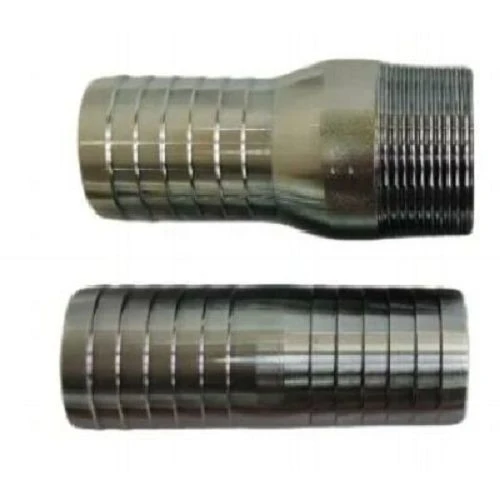
Brass is an alloy composed primarily of copper and zinc, with other elements sometimes added to enhance specific properties. Brass hose menders are commonly used to repair damaged hoses or connect two hose sections. They are popular due to their relatively good corrosion resistance, malleability, and reasonable cost.
Our Brass Hose Mender is crafted with high - quality materials, which are designed to provide a secure and long - lasting connection for hoses in many applications. They come in different sizes and configurations to fit various hose diameters and types.
Chemical Environments: A Complex Challenge
Chemical environments can vary widely in terms of the types of chemicals present, their concentration, temperature, pressure, and other factors. Some common chemicals that hoses may encounter include acids, alkalis, solvents, and oxidizing agents. Each of these chemicals can react differently with brass, and the compatibility depends on multiple aspects.
Corrosion Resistance of Brass in Chemicals
- Acids:
- Dilute sulfuric acid: Brass has a limited resistance to dilute sulfuric acid. In low concentrations and at room temperature, the corrosion rate may be relatively slow. However, as the acid concentration increases or the temperature rises, the zinc in the brass will react with the acid to form zinc sulfate, gradually corroding the hose mender.
- Hydrochloric acid: Brass is more susceptible to corrosion in hydrochloric acid. The chloride ions can accelerate the corrosion process by breaking down the protective oxide layer on the brass surface, leading to pitting and general corrosion.
- Organic acids: Some weak organic acids, such as acetic acid, may have a mild effect on brass. However, stronger organic acids can cause significant corrosion, especially if the exposure is prolonged.
- Alkalis:
- In general, brass has better resistance to alkalis compared to some acids. However, strong alkaline solutions, especially those containing high concentrations of sodium hydroxide or potassium hydroxide, can still corrode brass over time. The high pH can cause the formation of metal hydroxides and other corrosion products, weakening the hose mender.
- Solvents:
- Many organic solvents, such as alcohols and hydrocarbons, have little direct chemical reaction with brass. However, some solvents may dissolve or swell the rubber or plastic components that are often used in conjunction with hoses and hose menders. This can lead to a loss of the seal and overall failure of the connection.
- Oxidizing Agents:
- Oxidizing agents, like hydrogen peroxide or chlorine, can react with the copper and zinc in brass. Chlorine, for example, can form copper and zinc chlorides, which are often soluble and can lead to rapid corrosion of the brass hose mender.
Factors Affecting Compatibility
- Concentration: Higher concentrations of chemicals generally increase the likelihood and rate of corrosion. For a given chemical, a low - concentration solution may have a negligible effect on the brass hose mender, while a high - concentration one can cause severe damage in a short period.
- Temperature: Increasing the temperature usually accelerates chemical reactions. Even in a relatively benign chemical environment, an elevated temperature can increase the corrosion rate of brass. For example, a brass hose mender that can withstand a certain acid solution at room temperature may corrode rapidly when the temperature is raised.
- Pressure: High pressure can exacerbate the effects of corrosion. It can cause the movement of corrosive chemicals through small cracks or pores in the brass, increasing the surface area exposed to the chemical and speeding up the corrosion process.
Alternatives in Chemical Environments
If the chemical environment is too harsh for brass hose menders, there are alternative products available. Our Plated Steel Hose Mender Plated Steel Hose Mender is one such option. The plating on the steel can provide an additional layer of protection against corrosion, making it more suitable for some chemical applications.
Another solution is our Hose Mender Saving Connectors, which are designed to be highly versatile and can be used in a wider range of chemical environments. These connectors are made of materials that have been specifically selected for their chemical resistance.
Conclusion and Call to Action
In conclusion, while brass hose menders can be used in some mild chemical environments, they are not suitable for all chemical applications. Before using a brass hose mender in a chemical environment, careful consideration should be given to the types of chemicals, their concentrations, temperature, and pressure.
If you are unsure whether our brass hose menders are appropriate for your specific chemical environment, we are here to help. Our team of experts can assist you in evaluating your needs and recommending the most suitable product. We encourage you to contact us for further information and to start a procurement discussion. Let us work together to find the best solution for your hose mending requirements.

References
- "Corrosion of Metals in Chemical Environments" - Handbook of Corrosion Engineering
- "Properties of Brass Alloys" - Metallurgy Journal
- "Chemical Compatibility of Materials in Hose Systems" - Industry Research Report